
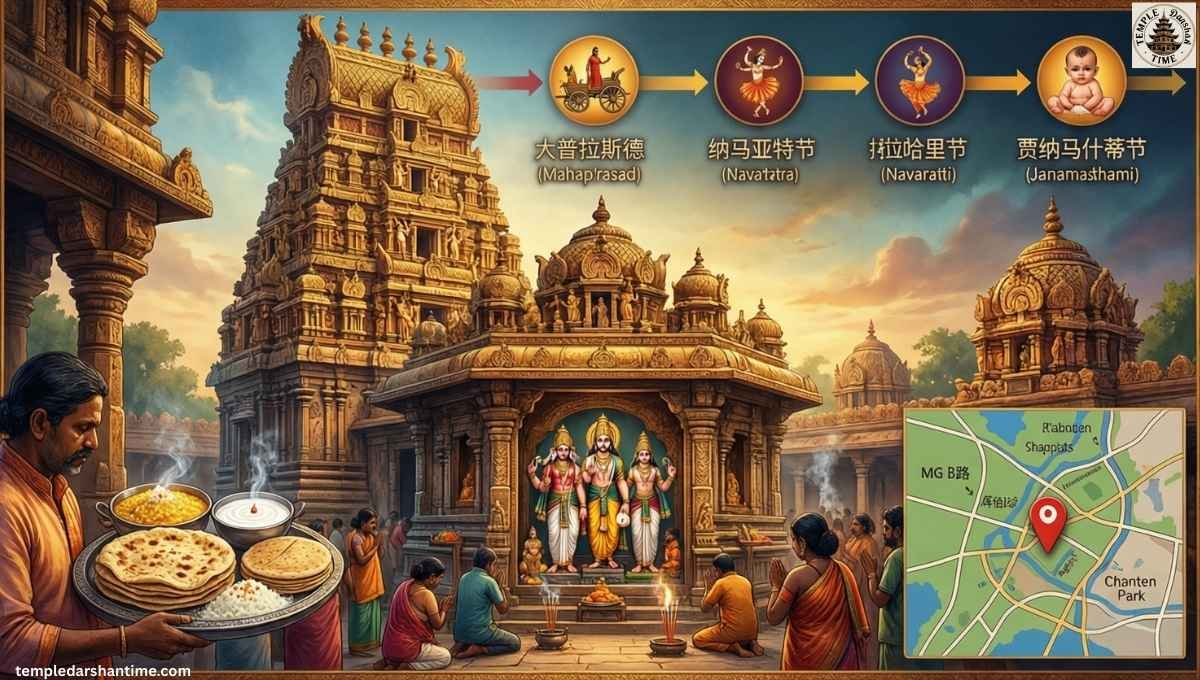
Finding a calm and spiritual place in a busy city can feel difficult, especially when you want a temple that truly feels peaceful. Many people search for the Bangalore Jagannath Temple when looking for the jagannath temple, bangalore experience that reminds them of devotion and tradition. Whether you have heard about jagannath temple bangalore from friends, visited jagannath temple hsr before, or are curious about the puri jagannath temple bangalore connection, this temple often sparks a deep sense of curiosity and faith. It feels like a small piece of Puri brought into the heart of the city.
In this blog, you will get a clear and helpful guide to the Bangalore Jagannath Temple, covering everything you need before planning your visit. From darshan timings and pooja details to festivals, history, and Mahaprasad information, everything is explained in simple words. This guide is meant to save your time and answer all common questions in one place. By the end, you will feel confident and ready to experience the temple with peace of mind.
Bangalore Jagannath Temple Pooja & Darshan Timings
The temple opens its doors daily for devotees seeking divine blessings and spiritual peace. Morning darshan begins early when the atmosphere is fresh and spiritually charged. You’ll find the sanctum beautifully decorated with flowers and the deities adorned in traditional attire.
The Jagannath Temple Bangalore follows a structured schedule that allows devotees to plan their visits conveniently. Morning hours are perfect for those who prefer peaceful meditation. Evening darshan attracts families and working professionals who come after their daily routines.
Here’s the complete timing schedule:
| Time | Ritual/Activity | Details |
| 6:00 AM | Temple Opens | Morning darshan begins |
| 6:30 AM | Mangala Aarti | First aarti of the day |
| 7:00 AM – 12:00 PM | Morning Darshan | Peak visiting hours |
| 12:00 PM | Bhog Offering | Mahaprasad distribution |
| 12:00 PM – 4:00 PM | Temple Closed | Afternoon break |
| 4:00 PM | Temple Reopens | Evening darshan starts |
| 7:30 PM | Sandhya Aarti | Evening worship ceremony |
| 9:00 PM | Temple Closes | Last darshan |
The mangala aarti at 6:30 AM is particularly soul-stirring. Devotees gather to witness this beautiful ceremony where bells ring, conches blow, and devotional songs fill the air. It’s an experience that stays with you long after you leave.
During festivals and special occasions, timings may extend slightly. The temple management ensures smooth darshan even during crowded days. It’s advisable to arrive 15-20 minutes early during peak hours to avoid long queues.
Festivals and Celebrations at Bangalore Jagannath Temple
The Bangalore Jagannath Temple transforms into a spectacular celebration hub during major festivals. These events showcase authentic Odia culture through music, dance, rituals, and community participation. The temple calendar is packed with festivals that attract thousands of devotees from across Karnataka and neighboring states.
Every festival here mirrors the traditions followed at the original Puri temple. From elaborate decorations to traditional rituals, from classical dance performances to devotional singing—each celebration is a feast for the senses. The organizing committee works tirelessly to maintain authenticity while making these events accessible to everyone.
The atmosphere during festivals is electric with devotion and joy. Families come together, communities bond, and the air fills with chanting and music. It’s not just about religious observance; it’s about experiencing the rich cultural heritage of Odisha right in Bangalore.
1. Rath Yatra – The Grand Chariot Festival
Rath Yatra is the crown jewel of all celebrations at the Jagannath Temple Bangalore. This spectacular festival recreates the famous Puri Rath Yatra on a grand scale. Three massive chariots carrying the deities are pulled through the streets by enthusiastic devotees.
The procession is a sight to behold. Thousands gather to pull the sacred chariots, believing that this act of devotion brings divine blessings. Traditional Odia music plays, dancers perform, and the entire route becomes a spiritual carnival. The energy is infectious and the devotion palpable.
Preparations begin weeks in advance. The chariots are decorated with colorful fabrics, flowers, and traditional motifs. Volunteers from the Odia community come together to ensure everything runs smoothly. Even non-Odia devotees participate with equal enthusiasm, making it a truly inclusive celebration.
2. Snana Purnima – Sacred Bathing Ceremony
Snana Purnima marks an important ritual in the Jagannath tradition. On this day, the deities are brought out and bathed with 108 pots of sacred water. This ceremonial bath is believed to have immense spiritual significance and purifying power.
After the bathing ceremony, the deities enter Anasara—a period of rest and recuperation. During these 15 days, they’re kept away from public view. Devotees eagerly await their return, and the first darshan after Anasara draws huge crowds. This tradition is followed exactly as it is in Puri, maintaining complete authenticity.
3. Chandan Yatra – Summer Festival of Sandalwood
The Chandan Yatra brings relief and spiritual cooling during hot summer months. The deities are anointed with sandalwood paste, which symbolizes purification and divine protection. The fragrance of sandalwood fills the temple premises, creating a serene and calming atmosphere.
This festival continues for 21 days with various rituals and cultural programs. Special bhajans are sung, and devotees are offered sandalwood prasad. The temple organizes evening cultural events featuring Odissi dance performances and devotional music concerts. It’s a beautiful blend of spirituality and art.
4. Nabakalebara – The Rare Idol Renewal
Nabakalebara is perhaps the most unique and spiritually significant event. This sacred ceremony occurs once every 12-19 years, following complex astrological calculations. During Nabakalebara, the wooden idols of the deities are replaced with newly carved ones in a highly secretive and sacred ritual.
The process is shrouded in mystery and tradition. Special priests search for specific neem trees based on divine signs and dreams. The carving of new idols follows ancient procedures, and the transfer of the divine essence happens in complete darkness. Only authorized priests participate in this deeply sacred process.
Witnessing or being present during Nabakalebara is considered extremely auspicious. Devotees travel from far and wide to receive blessings during this rare event. The Bangalore Jagannath Temple maintains these traditions with utmost devotion and precision.
Jagannath Temple Bangalore Prasad Booking
The Mahaprasad at this temple is legendary among devotees. Prepared following traditional Odia recipes, it tastes exactly like the prasad served at Puri. The offering includes items like khechudi, dalma, sweet rice, and various traditional preparations made with pure ghee and authentic ingredients.
Booking prasad in advance ensures you don’t miss this divine blessing. The temple has streamlined the prasad booking process to serve maximum devotees efficiently. You can either walk in during prasad distribution hours or book in advance for special occasions and large groups.
To book Mahaprasad:
- Call the temple office: +91 8861434010
- Booking window: Before 10:00 AM on the day of visit
- Collection time: During designated prasad distribution hours
- Special occasions: Advance booking recommended during festivals
The prasad is prepared in the temple kitchen with complete devotion and hygiene. Traditional cooks from Odisha ensure authentic taste and proper rituals are followed. Many devotees specifically visit the Jagannath Temple Bangalore just to have this blessed food.
During major festivals, special Mahaprasad varieties are prepared. The quantity is limited, so early booking is essential. The temple also offers prasad packets for devotees who want to take home this blessing for family members.
How to Reach Bangalore Jagannath Temple
The temple is conveniently located in HSR Layout, one of Bangalore’s well-connected residential areas. Getting here is easy whether you’re coming from within the city or from outside Karnataka. Multiple transport options ensure accessibility for all devotees.
Address: Agara Village, HSR Layout, Bangalore – 560102, Karnataka
By Metro
The nearest metro station is RV Road (Rashtreeya Vidyalaya Road) on the Green Line. From there, hire an auto-rickshaw or take a local bus. The temple is approximately 6-7 km from the metro station. Metro connectivity makes it convenient for devotees from all parts of Bangalore.
By Bus
BMTC buses regularly ply to HSR Layout and Agara. The Agara Bus Stop is just a 5-minute walk from the temple. Buses from Majestic, Silk Board, Electronic City, and Koramangala connect directly. Check the BMTC app for current routes and timings.
By Car/Taxi
The Jagannath Temple HSR is easily accessible by private vehicle. Ample parking space is available near the temple premises. You can use Ola, Uber, or local taxis. The area is well-known, and most drivers are familiar with the location.
By Train
Bangalore City Railway Station and Bangalore Cantonment are the nearest railway stations. From either station, you can take a metro, bus, or taxi to reach the temple. The distance is approximately 12-15 km depending on your starting point.
By Air
Kempegowda International Airport is about 45 km away. You can hire a prepaid taxi or book an app-based cab. The journey takes 60-90 minutes depending on traffic conditions.
Why You Should Visit Bangalore Jagannath Mandir
This temple offers something unique that you won’t find in typical South Indian temples. It’s a complete cultural experience wrapped in spiritual devotion. The Bangalore Jagannath Mandir successfully recreates the Puri temple atmosphere while remaining accessible and welcoming to everyone.
The divine energy here is palpable. Devotees often report feeling an immediate sense of peace upon entering. The wooden idols of Lord Jagannath, Balabhadra, and Subhadra seem to radiate positive vibrations. Many visitors describe feeling spiritually recharged after their darshan.
Key reasons to visit:
- Experience authentic Odia traditions without traveling to Puri
- Participate in spectacular festivals like Rath Yatra
- Taste genuine Jagannath Mahaprasad
- Enjoy peaceful surroundings perfect for meditation
- Learn about Odia culture through various programs
- Witness traditional Kalinga architecture
- Join devotional singing and cultural events
The temple serves as a community hub for the Odia diaspora in Bangalore. However, it welcomes devotees from all backgrounds and regions. You’ll find people from different states and even countries coming to seek blessings here.
Families particularly love bringing children here. The temple environment is safe, clean, and educational. Kids learn about cultural diversity and traditional values while experiencing authentic religious practices. The festival celebrations create lasting memories.
Tips for Devotees Visiting the Temple
Planning your visit properly ensures a smooth and spiritually fulfilling experience. Here are practical tips based on regular visitors’ experiences. Following these suggestions will help you make the most of your time at the Puri Jagannath Temple Bangalore.
Dress Code:
- Wear modest, traditional clothing
- Men should wear dhoti or pants with shirt
- Women should wear sarees, salwar kameez, or long skirts
- Avoid shorts, sleeveless tops, and revealing clothes
- Remove shoes before entering the main temple area
Photography Rules:
- Photography is generally not allowed inside the sanctum
- You can take photos in the outer premises
- Always ask permission before clicking
- Respect other devotees’ privacy
- Never use flash near the deities
Best Time to Visit:
- Early morning (6:30-8:00 AM) for peaceful darshan
- Avoid weekends if you prefer smaller crowds
- Festival days are crowded but offer special experiences
- Weekday evenings are relatively quiet
- Plan 1-2 hours for a complete visit
What to Carry:
- Small bag for personal belongings
- Water bottle (drinking water available at temple)
- Prasad box if you’re booking Mahaprasad
- Some cash for donations and offerings
- Hand sanitizer and wet wipes
Temple Etiquette:
- Maintain silence inside the sanctum
- Don’t touch the deities or decorations
- Follow the queue system during darshan
- Listen to volunteer instructions during festivals
- Participate respectfully in aarti and bhajans
Prasad and Offerings:
- Book Mahaprasad in advance during festivals
- Flowers and coconuts are available at the entrance
- Special pujas can be arranged through the office
- Donations are voluntary and accepted
- Keep your prasad booking receipt safe
History and Origin of Bangalore Jagannath Temple
The story of this temple began in 2009 when the Odisha Cultural Association of Bangalore envisioned creating a spiritual home for the growing Odia community in Karnataka. What started as a small initiative has grown into a major spiritual landmark that attracts devotees from across India.
The founders wanted to recreate the sacred atmosphere of Puri for Odias living far from their homeland. They also aimed to introduce South Indian devotees to the beautiful traditions of Jagannath worship. The temple was built with contributions from the Odia diaspora and support from local devotees.
Construction followed traditional guidelines with careful attention to religious specifications. Expert craftsmen from Odisha were brought in to ensure authenticity. The wooden idols were carved following ancient procedures and consecrated with proper rituals. Every detail was planned to mirror the original Puri temple as closely as possible.
Over the years, the Bangalore Jagannath Temple has evolved into more than just a place of worship. It’s now a cultural center that promotes Odia language, music, dance, and cuisine. The temple regularly hosts cultural programs, spiritual discourses, and educational events for children.
The temple management works tirelessly to maintain traditional practices. They bring pandits from Puri to conduct major rituals. The kitchen follows authentic cooking methods for Mahaprasad preparation. Festivals are celebrated with the same fervor and devotion as in Odisha.
Today, this temple stands as a testament to faith, community effort, and cultural preservation. It has become an integral part of Bangalore’s religious landscape. Non-Odia devotees have also embraced it wholeheartedly, making it a truly inclusive spiritual destination.
Architecture and Temple Layout
The Bangalore Jagannath Temple showcases stunning Kalinga style architecture, the traditional temple design of Odisha. The structure beautifully replicates elements from the Puri temple while adapting to local building regulations and available space. Walking through the premises feels like stepping into a piece of Odisha transplanted in Karnataka.
The temple’s shikhara (tower) dominates the skyline with its distinctive curved shape. Intricate carvings adorn the structure, depicting various mythological scenes and traditional motifs. The craftsmanship reflects centuries-old techniques passed down through generations of Odia temple builders.
Main Features:
Garbhagriha (Sanctum Sanctorum):
- Houses the wooden idols of Lord Jagannath, Balabhadra, and Subhadra
- Idols carved from sacred neem wood following ancient traditions
- Simple yet powerful presence that captivates devotees
- No elaborate decorations, maintaining Puri temple simplicity
Jagamohan (Assembly Hall):
- Spacious area for devotees to gather during aarti and bhajans
- Well-ventilated with traditional architectural elements
- Can accommodate hundreds of devotees during festivals
- Beautifully decorated during special occasions
Temple Kitchen:
- Traditional Odia-style kitchen for Mahaprasad preparation
- Uses earthen pots and follows authentic cooking methods
- Maintains strict hygiene and ritual purity
- Separate sections for different food preparations
Cultural Hall:
- Hosts Odissi dance performances and music concerts
- Used for spiritual discourses and educational programs
- Equipped with modern facilities while maintaining traditional aesthetics
- Serves as a community gathering space
The temple complex is surrounded by greenery, creating a peaceful environment. Devotees can sit in shaded areas for meditation and quiet reflection. The overall layout ensures smooth crowd movement during festivals while maintaining spiritual ambiance during regular days.
Jagannath Temple Bangalore Photos
Capturing the beauty of this sacred space through photography helps preserve memories and share the experience with others. While photography inside the sanctum is restricted out of respect for religious sentiments, there are many beautiful spots around the temple where you can take memorable photos.
The temple’s exterior architecture provides stunning photo opportunities. The Kalinga-style shikhara looks magnificent during golden hour—early morning or late evening. The intricate carvings and traditional design elements make for excellent architectural photography. Many visitors love capturing the temple against Bangalore’s modern skyline.
During festival times, the temple transforms into a photographer’s paradise. The Rath Yatra offers spectacular shots of decorated chariots, colorful processions, and devotees in traditional attire. The evening aarti with oil lamps creates a magical atmosphere perfect for low-light photography. Cultural programs featuring Odissi dance provide dynamic action shots.
Best Photo Spots:
- Temple entrance with traditional torana (decorative arch)
- Exterior view showing the complete shikhara
- Gardens and landscaped areas around the premises
- Cultural events and festival celebrations
- Traditional decorations during special occasions
Many devotees share their temple visit photos on social media using hashtags like #JagannathTempleBangalore and #HareBol. These images help spread awareness about this beautiful temple and inspire others to visit. Just remember to be respectful and follow temple photography guidelines.
The temple’s official social media pages regularly post high-quality photos of daily rituals, festival celebrations, and special events. Following these pages keeps you updated about upcoming programs and gives you a visual glimpse of the temple’s vibrant activities.
Jagannath Temple Bangalore Timings
Understanding the complete timing schedule helps you plan your visit effectively. The Jagannath Temple Bangalore timings are designed to accommodate devotees’ varied schedules while maintaining traditional ritual cycles. The temple follows a disciplined schedule that mirrors practices at Puri.
Daily Schedule:
Morning Session:
- 6:00 AM: Temple opens, morning darshan begins
- 6:30 AM: Mangala aarti (first worship of the day)
- 7:30 AM: Breakfast offering to deities
- 12:00 PM: Bhog offering and Mahaprasad distribution
- 12:00 PM: Temple closes for afternoon break
Evening Session:
- 4:00 PM: Temple reopens for evening darshan
- 6:00 PM: Evening bhog offering
- 7:30 PM: Sandhya aarti (evening worship ceremony)
- 8:30 PM: Final darshan hours
- 9:00 PM: Temple closes for the night
Special Days: On Sundays and festival days, the temple may remain open longer. Special darshan arrangements are made during major festivals like Rath Yatra, Janmashtami, and Diwali. It’s advisable to check the temple’s official page or call ahead during these times.
Best Times for Different Purposes:
- Peaceful meditation: Early morning 6:00-7:30 AM
- Mahaprasad collection: Around 12:00 PM
- Evening aarti: 7:30-8:00 PM
- Avoid crowds: Weekday mornings
- Festival experience: Check temple calendar for dates
The temple strictly maintains these timings to ensure proper rest periods for the deities and efficient management. During the afternoon break, the temple premises are closed to allow for cleaning, maintenance, and preparation for evening rituals.
Jagannath Temple Jalahalli Bangalore
Many devotees search for Jagannath Temple Jalahalli because there’s often confusion about multiple Jagannath temples in Bangalore. Let’s clarify this to help you reach the correct destination based on your preference and convenience.
The main and most popular temple is located in HSR Layout, Agara, established by the Odisha Cultural Association in 2009. This is the temple featured throughout this guide—the one that hosts major festivals and follows complete Puri-style traditions. It’s the primary Jagannath temple that most devotees refer to when discussing the Bangalore Jagannath Temple.
Jalahalli Area Clarification:
There isn’t a major established Jagannath temple in Jalahalli as of now. Sometimes devotees confuse locations or refer to small home shrines or temporary pandals set up during Rath Yatra. If you’re specifically looking for the authentic Puri-style temple experience, the HSR Layout location is your destination.
Important Points:
- Main temple address: Agara Village, HSR Layout
- Jalahalli may have small shrines but no major temple
- Always verify the address before traveling
- The HSR temple is the official one recognized by Odisha Cultural Association
- For navigation, use “Jagannath Temple HSR Layout” in Google Maps
During Rath Yatra, temporary celebrations might happen in various Bangalore neighborhoods including Jalahalli. These are community events organized by local Odia families. However, for year-round worship and complete temple experience, visit the HSR Layout temple.
Jagannath Temple Bangalore Reviews
Devotee experiences and reviews provide valuable insights for first-time visitors. The Jagannath Temple Bangalore consistently receives positive feedback for maintaining authentic traditions while providing excellent facilities. Here’s what regular visitors appreciate most about this sacred space.
Overall Rating: 4.8/5 (Based on Google Reviews and devotee feedback)
What Devotees Love:
Authentic Experience: Many reviewers praise the temple for recreating the Puri atmosphere perfectly. “Feels exactly like visiting Puri Jagannath Temple,” writes one devotee. The wooden idols, traditional rituals, and Odia cultural elements transport visitors to Odisha. Non-Odia visitors particularly appreciate learning about different cultural traditions.
Excellent Management: The temple receives high marks for cleanliness, organization, and volunteer cooperation. “Despite large crowds during Rath Yatra, everything was well-managed,” shares a regular visitor. The queue system during festivals works efficiently, and volunteers are helpful and respectful.
Delicious Mahaprasad: The temple’s prasad gets unanimous praise. “The khechudi and dalma taste exactly like what I had in Puri,” writes an Odia devotee. Many visitors specifically come for the Mahaprasad, calling it the most authentic they’ve found outside Odisha.
Peaceful Environment: Reviewers frequently mention the calm and spiritual atmosphere. “Perfect place for meditation and finding inner peace in busy Bangalore,” notes one review. The temple’s location away from main roads adds to the tranquility.
Areas for Improvement:
Some devotees suggest better parking arrangements during peak hours. A few reviews mention that first-time visitors might struggle to find the exact location without proper directions. The temple management is continuously working to address such feedback.
How Many Jagannath Temple in Bangalore
This is a common question among devotees planning their visit. As of 2026, there is one major, established Jagannath Temple in Bangalore—the one located in HSR Layout, Agara, run by the Odisha Cultural Association. This is the primary temple that follows complete Puri traditions and hosts all major festivals.
Understanding the Confusion:
Home Shrines: Many Odia families in Bangalore have personal Jagannath shrines in their homes. These aren’t public temples but private worship spaces. During Rath Yatra, some communities organize local celebrations that might create the impression of multiple temples.
Temporary Pandals: During major festivals, temporary Jagannath pandals are sometimes set up in different areas. These are seasonal and not permanent temple structures. They serve local communities during specific festivals.
Small Community Centers: Some Odia community centers might have small Jagannath idols for daily worship. These aren’t full-fledged temples but rather prayer rooms within cultural centers.
The Main Temple:
The HSR Layout Jagannath Temple is the only recognized, established temple with:
- Permanent structure following Kalinga architecture
- Daily worship and aarti ceremonies
- Regular Mahaprasad preparation
- All major festival celebrations
- Full-time priests and management
- Official recognition from Odisha Cultural Association
If you’re looking for the authentic Jagannath temple experience in Bangalore, the HSR Layout location is your only destination. This is where you’ll find proper rituals, traditional practices, and the complete spiritual atmosphere.
Also Read About: Govind Dev Ji Temple Darshan Timings, Aarti & Visit Guide 2026
New Jagannath Temple Bangalore
There have been discussions about establishing additional Jagannath temples in other parts of Bangalore to serve the expanding Odia community and growing devotee base. While the existing HSR Layout temple continues to serve thousands, plans for expansion and new locations are occasionally discussed.
Current Status (2026):
As of now, the HSR Layout temple remains the primary and only fully established Jagannath temple in Bangalore. There isn’t a “new” temple that has been officially opened. Any references to a new temple might be:
Future Plans:
- Discussions about satellite centers in other Bangalore areas
- Proposed expansion of existing HSR temple facilities
- Community initiatives in planning stages
What the Existing Temple Offers:
Rather than waiting for new temples, the current Bangalore Jagannath Temple continues to upgrade its facilities:
- Expanded parking arrangements
- Better queue management systems during festivals
- Enhanced cultural hall for programs
- Improved kitchen facilities for increased Mahaprasad production
- Digital initiatives for online prasad booking and darshan updates
Visiting Tips:
Don’t be confused by rumors about new temples. The authentic experience is available at the established HSR Layout location. The temple management focuses on improving existing facilities rather than establishing multiple locations. This ensures quality and maintains traditional authenticity.
If you hear about new Jagannath temples, verify the information through official Odisha Cultural Association channels. The temple’s official contact number and social media pages provide accurate, updated information about any expansions or new developments.
Jagannath Temple Bangalore Prasad Timing
Knowing the exact prasad timing helps you plan your visit to ensure you don’t miss the divine Mahaprasad. The temple follows a strict schedule for prasad preparation and distribution, maintaining the same traditions as Puri. The offering includes various traditional Odia dishes prepared with devotion and care.
Daily Prasad Schedule:
Morning Bhog:
- Preparation: 10:00 AM – 11:45 AM
- Offering to deities: 12:00 PM
- Distribution to devotees: 12:15 PM – 1:00 PM
Evening Bhog:
- Preparation: 4:00 PM – 5:45 PM
- Offering to deities: 6:00 PM
- Distribution to devotees: 6:15 PM – 7:00 PM
Special Festival Prasad: During major festivals like Rath Yatra, Janmashtami, and other important occasions, special Mahaprasad varieties are prepared. Distribution continues throughout the day based on demand. Advanced booking is highly recommended during these times.
What’s Included in Mahaprasad:
The temple’s Mahaprasad typically includes:
- Khechudi: Sacred rice preparation with lentils
- Dalma: Traditional Odia lentil curry with vegetables
- Anna (Rice): Plain steamed rice
- Saga (Greens): Seasonal leafy vegetables
- Sweet offerings: Kheer, rasagola, or seasonal sweets
- Dry prasad: Coconut, sugar candy on special days
Booking and Collection:
For guaranteed prasad during your visit:
- Call temple office: +91 8861434010
- Book before 10:00 AM on visit day
- Collect during designated distribution times
- Bring a clean container for prasad
- Donations are voluntary but appreciated
The prasad is prepared using traditional methods in earthen pots. Only pure ingredients are used—vegetables, lentils, rice, and pure ghee. The cooking process itself is treated as a sacred ritual with proper mantras and devotion.
Frequently Asked Questions
Which temple in Bangalore wishes come true?
Many devotees believe Bangalore Jagannath Temple fulfills wishes through sincere prayers, faith, and regular darshan.
How can I book Jagannath Temple prasad in Bangalore?
You can book prasad of Bangalore Jagannath Temple by calling the temple office early morning.
What does ⭕ ❗⭕ mean Jagannath?
At Bangalore Jagannath Temple, ⭕❗⭕ symbolizes Lord Jagannath, Balabhadra, and Subhadra’s divine eternal presence together.
Who built the Jagannath Temple in Bangalore?
Bangalore Jagannath Temple was built by the Odisha Cultural Association to serve Odia devotees locally.
What is the Jagannath Temple in Bangalore about?
Bangalore Jagannath Temple is about worshipping Lord Jagannath while preserving Odia culture and traditions together.
Are Sikhs allowed in Jagannath Temple?
Yes, Bangalore Jagannath Temple allows Sikhs and people of all communities to visit respectfully freely.
Conclusion
The Bangalore Jagannath Temple is a peaceful place in the middle of a busy city. Many devotees visit the jagannath temple, bangalore to feel calm and connected. The jagannath temple bangalore is known for its simple rituals and pure devotion. Located near jagannath temple hsr, it is easy to reach for locals and travelers. People often say the puri jagannath temple bangalore feeling is truly special here. The bangalore jagannath temple reminds devotees of faith, tradition, and inner peace.
The Bangalore Jagannath Temple welcomes everyone with open hearts and spiritual energy. Daily darshan, aarti, and prasad bring joy to visitors. The jagannath temple, bangalore also celebrates festivals like Rath Yatra with great devotion. The jagannath temple bangalore is a place to pray, reflect, and relax. Many people visit the bangalore jagannath temple to feel close to Lord Jagannath.
Conclusion:
The Bangalore Jagannath Temple is perfect for devotion, culture, and peaceful spiritual moments.

Michael Anderson is a spiritual content writer with 8+ years of experience documenting temple darshan timings across India. He has completed 100+ projects with 95% client satisfaction, helping thousands of devotees plan meaningful spiritual journeys.