
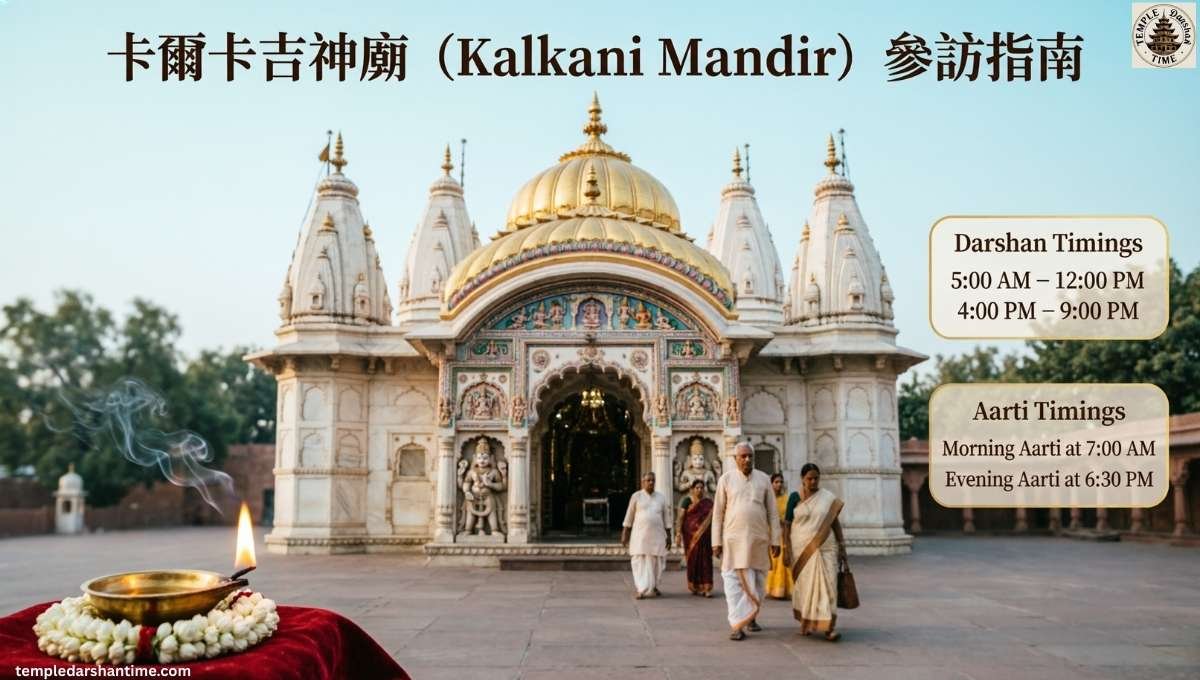
Planning a temple visit can feel confusing when you don’t know the exact kalkaji mandir opening time, real kalkaji mandir timings, or even the correct kalkaji mandir closing time. Many people search online after hearing different answers from friends or seeing outdated info, especially when trying to reach delhi kalkaji mandir without stress. Add to that the worry of finding the right kalkaji mandir location, and it’s easy to feel unsure before you even start your journey to Kalkaji Mandir Delhi.
This blog is here to make everything simple and clear for you. You’ll find updated timings, aarti schedules, VIP pass details, history, and travel tips, all explained in easy language. Whether you’re visiting for peaceful darshan or during a busy festival, this guide will help you plan better and save time at Kalkaji Mandir Delhi.
History of Kalkaji Mandir Delhi
The origins of this temple trace back thousands of years. Legend says the Kalkaji Mandir Delhi existed even during the Mahabharata era. The Pandava brothers are believed to have worshipped here during their exile.
Historical records suggest the temple was renovated multiple times. The Mughal period saw significant additions to the structure. Despite facing destruction attempts, the temple survived through devotees’ faith. The modern marble structure was built in the 1960s, replacing the older stone temple.
Maa Kalka’s presence here makes it a Shaktipeeth in Delhi. Devotees believe the goddess appeared here in a dream to a devotee. She instructed him to unearth her idol from a specific spot. When excavated, a self-manifested idol was discovered, strengthening the temple’s divine significance.
Kalkaji Mandir Daily Darshan Timings 2026
Understanding the kalkaji mandir opening time helps you plan better. The temple opens early for morning devotees. Darshan timings remain consistent throughout the year with minor variations during festivals.
Daily Darshan Schedule:
| Time Slot | Timings | Details |
| Morning Darshan | 4:00 AM – 12:00 PM | Best for peaceful visit |
| Afternoon Break | 12:00 PM – 4:00 PM | Temple remains closed |
| Evening Darshan | 4:00 PM – 11:00 PM | Gets crowded |
The kalkaji mandir closing time is 11:00 PM on regular days. During Navratri and special festivals, timings extend till midnight. Weekend mornings see maximum rush between 7 AM to 10 AM.
Early morning hours between 4 AM to 6 AM offer the most peaceful darshan. You can avoid long queues during this time. The temple atmosphere feels incredibly serene before sunrise. Most serious devotees prefer this slot for meditation and prayers.
Kalkaji Mandir Aarti Timings 2026
Aarti ceremonies create a spiritually charged atmosphere at the temple. The kalkaji mandir aarti timings follow a fixed schedule. Each aarti has its unique significance and energy.
Complete Aarti Schedule:
- Morning Aarti (Mangla Aarti): 4:30 AM – 5:00 AM
- Shringar Aarti: 7:00 AM – 7:30 AM
- Bhog Aarti: 11:30 AM – 12:00 PM
- Sandhya Aarti: 6:00 PM – 6:30 PM
- Shayan Aarti: 10:30 PM – 11:00 PM
The Kalkaji Mandir morning aarti is the most auspicious. Devotees believe wishes made during Mangla Aarti get fulfilled faster. The morning aarti includes special bhajans and devotional songs. Priests perform elaborate rituals with flowers, incense, and lamps.
Evening aarti attracts the largest crowds, especially on Tuesdays and Saturdays. The Sandhya Aarti creates a mesmerizing atmosphere with bells ringing and devotees chanting. If you want to attend aarti without much rush, opt for the afternoon Bhog Aarti. It’s less crowded yet equally divine.
Kalkaji Mandir VIP Darshan Pass – Price and Details
VIP darshan services help you skip long queues. The Kalkaji Mandir VIP pass provides priority access to the sanctum. This service is especially useful during festivals and weekends.
VIP Pass Details:
| Pass Type | Price | Benefits |
| Regular VIP | ₹100 per person | Priority darshan, separate queue |
| Special VIP | ₹200 per person | Closer darshan, prasad included |
| Group Pass (10+) | ₹80 per person | Discounted group entry |
You can book VIP passes at the temple counter. Online booking isn’t available currently. The VIP queue moves significantly faster than regular lines. During peak hours, it saves 2-3 hours of waiting time.
VIP darshan Kalkaji Mandir allows you more time near the deity. Regular queue devotees get barely a minute. VIP pass holders can spend 3-5 minutes for prayers. The extra cost is worth it during Navratri at Kalkaji Mandir when crowds swell dramatically.
Best Time to Visit Kalkaji Mandir Delhi
Timing your visit correctly enhances your spiritual experience. The best time to visit Kalkaji Mandir depends on your preferences. Consider crowd levels, weather, and festival calendar.
Ideal Visiting Times:
- Weekday Mornings (4 AM – 7 AM): Minimal crowds, peaceful atmosphere
- Weekday Afternoons (4 PM – 6 PM): Moderate rush, pleasant weather
- Festival Seasons: Navratri and Durga Puja (expect heavy crowds)
Tuesday holds special significance for Maa Kali devotees. However, Kalkaji Mandir festival crowds on Tuesdays can be overwhelming. If you don’t mind waiting, Tuesday evening darshan feels incredibly powerful. The energy during jagran and bhajan sessions is unmatched.
Avoid visiting on Sundays and public holidays unless necessary. The Kalkaji Mandir darshan queue stretches for hours on these days. Winter mornings (November to February) offer the most comfortable experience. Summer afternoons can be extremely hot, so carry water and wear comfortable clothes.
How to Reach Kalkaji Mandir
Accessing the temple is convenient from anywhere in Delhi. Multiple transport options make the journey comfortable. The kalkaji mandir location in South Delhi ensures excellent connectivity.
By Metro (Recommended):
The Kalkaji Mandir metro station on the Violet Line provides direct access. Exit the metro and walk for just 2 minutes. The station has elevators for elderly visitors and wheelchair users. Metro services run from 6 AM to 11 PM daily.
By Bus:
Several DTC buses stop near the temple. Routes 425, 433, 522, and 534 connect to major areas. The bus stop is about 5 minutes walking distance. Auto-rickshaws are available from the bus stop to temple entrance.
By Car/Taxi:
The temple has a designated parking area. Parking charges apply on weekends and festivals. Uber and Ola services operate regularly in this area. The drive from Connaught Place takes approximately 30 minutes.
From Airport:
The Kalkaji Mandir airport distance is about 18 kilometers. Take the metro from Airport Express Line, change at New Delhi station. The journey takes around 50 minutes. Alternatively, cab services charge ₹400-600 depending on traffic.
Kalkaji Mandir Address and Location Details
Knowing the exact location helps first-time visitors. The Kalkaji Mandir address is straightforward to find. The temple sits in a well-connected residential area.
Complete Address:
Kalkaji Mandir
Nehru Place, Kalkaji
New Delhi – 110019
Contact: 011-26430694
The temple is located in Kalkaji Mandir South Delhi, near Nehru Place metro station. It’s adjacent to several prominent landmarks. The Kalkaji Mandir near Lotus Temple makes both sites accessible in one trip. Distance between these two temples is just 3 kilometers.
Nearby Landmarks:
- Nehru Place Commercial Hub: 1.5 km
- Lotus Temple (Bahai House of Worship): 3 km
- Okhla Bird Sanctuary: 4 km
- Saket Select Citywalk Mall: 5 km
The delhi kalkaji mandir enjoys a prime location with excellent facilities. Banks, ATMs, restaurants, and shops surround the temple complex. Medical facilities are available nearby for emergencies. The area remains safe throughout the day and night.
Dress Code and Temple Etiquette
Respecting temple traditions ensures a positive experience. The Kalkaji Mandir dress code promotes modesty and simplicity. Following these guidelines shows reverence for the sacred space.
Appropriate Attire:
- Men: Full pants/kurta-pajama, shirts with sleeves
- Women: Sarees, salwar suits, or long skirts with dupatta
- Avoid: Shorts, sleeveless tops, torn jeans, revealing clothes
Remove shoes before entering the main temple premises. Designated shoe counters provide safe storage for ₹5-10. Leather items aren’t allowed inside the sanctum. Keep your belongings minimal and secure.
Temple Rules to Follow:
- Maintain silence inside prayer halls
- Photography restricted in inner sanctum
- Don’t touch the deity or offerings
- Follow the queue discipline
- Switch off mobile phones or keep them silent
- Don’t consume food inside temple premises
The Kalkaji Mandir temple rules aren’t strict but should be respected. Temple volunteers guide visitors courteously. They help maintain the sanctity and order. Don’t argue with temple staff or other devotees. Practice patience, especially during crowded hours.
Tips for a Smooth and Hassle-Free Darshan
Smart planning makes your temple visit memorable. These practical tips ensure Kalkaji Mandir peaceful darshan. Learn from experienced devotees’ wisdom.
Essential Tips:
• Arrive early: Beat the rush by reaching before 6 AM on weekdays • Carry minimal belongings: Large bags slow down security checks
• Stay hydrated: Bring a water bottle, especially in summer • Wear comfortable footwear: You’ll walk barefoot on hot floors • Keep change handy: For shoe storage and donation boxes
Crowd Management Strategies:
Understanding Kalkaji Mandir crowd timing helps tremendously. Mid-week afternoons see the least visitors. Saturday evenings and festival days require extra patience. If you’re with elderly family members, consider VIP passes.
Prasad and Offerings:
You can purchase flowers, coconuts, and chunri from shops outside. Prices are reasonable and fixed. Don’t buy from unauthorized vendors. Temple-approved shops maintain quality standards. Offerings get distributed as prasad after rituals.
The temple provides free drinking water and rest areas. Elderly devotees can request assistance from volunteers. First-aid facilities are available for emergencies. Many devotees report experiencing Kalkaji Mandir wish fulfillment after sincere prayers.
Who is Maa Kalka Ji: The Powerful Goddess of Delhi’s Siddha Peetha
Maa Kalka represents the fierce form of Goddess Durga. She symbolizes divine feminine power and protection. The Goddess Kalka temple venerates this warrior deity who destroys evil forces.
According to Hindu mythology, Maa Kali emerged from Durga’s forehead. She destroyed the demon Raktabeej who threatened the gods. Her dark complexion represents the timeless void from which creation emerges. She wears a garland of skulls symbolizing the destruction of ego.
The Maa Kalka temple Delhi holds special significance as a Siddha Peetha. This means it’s a place where spiritual powers manifest strongly. Devotees’ sincere wishes get fulfilled here. The temple is also called Manokamna Siddha Peetha for this reason.
Powers and Blessings:
- Protection: Shields devotees from negative energies and evil eye
- Courage: Provides strength to face life’s challenges
- Prosperity: Removes obstacles in career and business
- Health: Healing energy for chronic ailments
- Justice: Helps overcome enemies and false accusations
Worshipping Maa Kali requires pure intentions and devotion. She responds to sincere prayers immediately. Many devotees share miraculous experiences after visiting this temple. The goddess is particularly kind to those facing injustice or hardship.
History of Kalkaji Mandir
The temple’s historical journey spans several centuries. Ancient texts mention this Maa Durga temple Delhi as a sacred site. Archaeological evidence suggests worship happened here for over 3,000 years.
The original temple was a small stone structure. Local villagers maintained it through generations. During the Mughal era, the temple faced several attacks. Devotees protected the main idol by hiding it underground. After peace returned, the idol was reinstalled with grand ceremonies.
The Jayanti Peetha Delhi title comes from ancient scriptures. It’s believed that Goddess Sati’s ankle ornament fell here. This makes it one of the 51 Shakti Peethas across India. However, some scholars debate this classification.
Modern Development:
In 1962, major renovations began under public trust management. The current marble structure was completed in 1968. Additional facilities like meditation halls and rest areas were added. Today, it ranks among the famous temples in Delhi attracting millions annually.
The temple trust maintains extensive records and photographs. Archives document various construction phases and festivals. Religious scholars have written numerous books about this temple’s significance. It represents a perfect blend of ancient faith and modern amenities.
Also Read About: Arunachalam Temple Timings 2026 You Must Know First
Architecture of Kalkaji Mandir
The Kalkaji Mandir marble temple showcases North Indian temple architecture. White marble dominates the structure, creating a pristine appearance. The design incorporates traditional elements with modern engineering.
The main sanctum houses the deity on a silver throne. Intricate carvings adorn the walls and pillars. Red velvet drapes add warmth to the white marble interiors. The ceiling features paintings depicting various forms of Goddess Durga.
Architectural Highlights:
- Main Dome: Gold-plated kalash (pinnacle) visible from distance
- Pillars: Hand-carved marble with floral and geometric patterns
- Entrance Gate: Ornate archway with traditional motifs
- Prayer Halls: Spacious areas accommodating thousands
- Outer Courtyard: Open space for large gatherings
The Kalkaji Mandir temple architecture includes separate areas for different rituals. The havan kund (fire pit) hosts special ceremonies. A dedicated space exists for jagran and bhajan programs. Sound systems ensure everyone hears the prayers clearly.
The complex includes administrative offices and priest quarters. Underground water tanks ensure continuous supply for rituals. Modern lighting systems create beautiful evening ambiance. The entire structure undergoes regular maintenance to preserve its beauty.
Kalkaji Mandir Delhi by Metro
Metro connectivity makes temple visits extremely convenient. The Kalkaji Mandir by metro route is simple and affordable. Delhi Metro’s Violet Line provides direct access.
Step-by-Step Metro Guide:
From North Delhi:
- Board Violet Line from Kashmere Gate
- Travel towards Escorts Mujesar
- Get down at Kalkaji Mandir station
- Exit Gate 2 for temple entrance
From South Delhi:
- Board from Saket metro station
- Take Violet Line towards Raja Nahar Singh
- Alight at Kalkaji Mandir station
- Short 2-minute walk to temple
From Central Delhi:
- Take Yellow Line to Central Secretariat
- Change to Violet Line
- Proceed to Kalkaji Mandir station
- Follow temple signboards
Metro timings align perfectly with kalkaji mandir opening time. First metro arrives around 6 AM. Last metro departs after 11 PM. This matches temple operation hours. Avoid peak office hours (8-10 AM, 5-8 PM) for comfortable travel.
Metro fares range from ₹10 to ₹60 depending on distance. Smart cards offer discounts on regular travel. The station has elevator and escalator facilities. Specially-abled passengers receive assistance from metro staff.
Kalkaji Mandir Delhi Photos
Capturing memories at this beautiful temple is popular. Kalkaji Mandir Delhi photos showcase stunning architecture and vibrant celebrations. However, photography rules must be followed strictly.
Photography Guidelines:
- Allowed Areas: Outer courtyard, entrance gates, external architecture
- Restricted Zones: Main sanctum, aarti areas, priest-only sections
- Festival Photography: Special permissions needed during major events
- Commercial Shoots: Prior written approval from temple trust required
The white marble structure photographs beautifully during golden hours. Early morning and late evening light creates magical effects. The illuminated temple at night looks absolutely divine. Festival decorations during Durga Puja Kalkaji Mandir make spectacular images.
Many devotees share their temple experiences on social media. You’ll find thousands of images online showcasing different angles. Professional photographers often visit during Navratri for colorful shots. The temple trust occasionally organizes photo exhibitions featuring devotee submissions.
Best Photo Spots:
- Front gate with temple dome in background
- Side view showing complete structure
- Evening shots with illuminated facade
- Festival decorations and flower arrangements
- Devotees during aarti (maintain respectful distance)
Always respect other devotees’ privacy while clicking pictures. Don’t use flash photography inside prayer areas. It disturbs people in meditation. Share your photos responsibly without making false claims or superstitious statements.
Also Read About: Bangalore Jagannath Temple: Complete Guide to History, Timings, Festivals & Mahaprasad
Is Kalkaji Mandir Delhi a Shakti Peeth
This question interests many spiritual seekers. The Is Kalkaji Mandir Delhi a shakti peeth debate has different perspectives. Understanding requires knowing Shakti Peeth classification criteria.
Traditional texts list 51 Shakti Peethas across the Indian subcontinent. Each marks a spot where Goddess Sati’s body parts fell. The established Shakti Peeth in Delhi is generally recognized as Yogmaya Temple. However, Kalkaji Mandir holds equal spiritual power for many devotees.
Some religious scholars argue Kalkaji qualifies as a Shakti Peeth. They believe Sati’s ankle ornament fell here. Local legends support this claim strongly. The temple’s ancient origins strengthen this theory. Many miraculous experiences reported by devotees validate its divine power.
Evidence Supporting Shakti Peeth Status:
- Ancient scriptures mentioning the temple
- Self-manifested idol discovered here
- Continuous worship for thousands of years
- Powerful spiritual energy experienced by visitors
- Fulfillment of devotees’ wishes regularly
Whether officially listed or not, the temple functions as a Siddha Peetha. This designation holds immense significance in Hindu tradition. Siddha Peethas are places where spiritual goals get accomplished. The goddess grants boons to sincere devotees visiting such places.
What matters most is the faith devotees carry. The divine energy at Kalkaji Mandir Delhi transforms lives regardless of technical classifications. Thousands experience miracles and blessings here annually. This practical evidence outweighs academic debates for most believers.
Kalkaji Mandir Delhi Mein Hai Kya
Many people searching online ask Kalkaji mandir delhi mein hai kya. The answer is definitely yes. This renowned temple exists in South Delhi’s Kalkaji area.
The temple complex spans several thousand square feet. It includes the main sanctum, prayer halls, and administrative offices. The complex houses additional smaller shrines dedicated to other deities. Lord Hanuman and Lord Shiva temples exist within the premises.
Temple Complex Facilities:
- Main Maa Kalka shrine
- Hanuman temple (left side)
- Shiva temple (right side)
- Large assembly hall for gatherings
- Administrative and trust offices
- Prasad distribution counters
- Shoe storage facility
- Drinking water stations
- Medical first-aid room
The temple trust manages extensive charitable activities. Free meals are distributed during special occasions. Educational programs for underprivileged children run regularly. Medical camps are organized monthly. The trust also maintains a cow shelter nearby.
Religious Services Available:
- Daily pooja rituals performed by qualified priests
- Special abhishek ceremonies on request
- Kalkaji Mandir jagran programs on auspicious nights
- Bhandara (community feast) during festivals
- Marriage ceremonies in designated hall
- Mundan ceremony (first haircut) for children
- Special prayers for health and prosperity
You can book special pujas by contacting temple office. Charges are nominal and affordable. Priests guide you through proper ritual procedures. The temple maintains transparency in all financial matters. Donation receipts are provided for tax purposes.
Kalkaji Mandir Delhi Nearest Railway Station
Travelers arriving by train need clear directions. The Kalkaji mandir delhi nearest railway station is Hazrat Nizamuddin. This major junction connects to multiple Indian cities. Distance from station to temple is approximately 8 kilometers.
From Hazrat Nizamuddin Railway Station:
- Exit main gate and head to auto stand
- Auto-rickshaw charges ₹80-100 to temple
- Alternatively, take metro from Nizamuddin station
- Board Violet Line towards Escorts Mujesar
- Get down at Kalkaji Mandir metro station
- Total journey time: 25-30 minutes
From New Delhi Railway Station:
- Take Yellow Line metro from New Delhi station
- Change to Violet Line at Central Secretariat
- Proceed to Kalkaji Mandir station
- Total time: 40-45 minutes
- More convenient than taking road transport
From Old Delhi Railway Station:
- Take Yellow Line towards HUDA City Centre
- Change at Rajiv Chowk to Violet Line
- Continue to Kalkaji Mandir station
- Journey takes approximately 50 minutes
Most long-distance trains stop at Hazrat Nizamuddin or New Delhi station. Both offer excellent connectivity to the temple. Pre-paid taxi services are available at railway stations. They charge ₹200-250 for direct temple drop. Metro remains the most economical and time-efficient option.
Kalkaji Delhi Location
Understanding the broader area helps visitors explore efficiently. The Kalkaji Delhi location places you in South Delhi’s commercial hub. This locality offers various amenities and attractions.
Kalkaji neighborhood is primarily residential with commercial pockets. It’s bordered by Nehru Place, Govindpuri, and Okhla areas. The locality enjoys excellent public transport connectivity. Multiple bus routes and metro lines serve this area.
Prominent Places Near Kalkaji:
- Nehru Place: IT market and commercial center
- Lotus Temple: Famous Bahai House of Worship
- Greater Kailash: Upscale residential and shopping area
- Saket: Shopping malls and entertainment hub
- Okhla Industrial Area: Major employment zone
The area has numerous hotels and guesthouses. Budget accommodations start from ₹800 per night. Mid-range hotels charge ₹2,000-4,000 per night. Many offer temple proximity as a key attraction. Restaurants serving vegetarian food are abundant here.
Local Amenities:
- Hospitals: Apollo, Max Healthcare nearby
- Banks: All major banks have branches
- Shopping: Local markets and branded stores
- Food: Restaurants serving all cuisines
- Transport: Excellent auto and cab availability
The Kalkaji Mandir South Delhi location makes it ideal for combining sightseeing. You can visit Lotus Temple, Qutub Minar, and Humayun’s Tomb in one day. All these monuments are within 10-15 kilometers. Several tour operators offer packages covering these sites.
Kalkaji Mandir Location Map
Finding the temple becomes easier with map references. The Kalkaji mandir Location Map shows exact positioning and surrounding landmarks. Multiple navigation apps provide accurate directions.
Using Google Maps:
- Search “Kalkaji Mandir” or “Kalkaji Temple”
- The exact pin location appears instantly
- Get turn-by-turn navigation from your location
- Real-time traffic updates help avoid congestion
- Public transport options displayed clearly
Map Coordinates:
- Latitude: 28.5494° N
- Longitude: 77.2584° E
- These coordinates work in all GPS devices
- Car navigation systems recognize these coordinates
- Helpful for international tourists
The temple sits on the main Kalkaji Mandir Road. It’s visible from the main road itself. Large signboards guide visitors from metro station. The temple’s white marble structure is a prominent landmark. You can’t miss it once you’re in the vicinity.
Offline Navigation:
- Download area maps before visiting
- Many areas have strong mobile signals
- Temple has WiFi for emergencies
- Local shopkeepers gladly provide directions
- Temple volunteers help lost visitors
Physical maps are available at tourist information centers. Delhi Tourism centers near Connaught Place provide free maps. These include temple location and other important sites. The maps highlight metro routes, bus stops, and parking areas.
For first-time visitors, arriving during daylight helps orientation. The area remains safe even at night. Street lighting is adequate throughout. Police patrolling ensures security around temple premises. Many devotees visit alone without any safety concerns.
Also Read About: Dwarkadhish Temple Tickets: Skip the Queue in 2026
Frequently Asked Questions
Why is Kalkaji Mandir so famous?
Kalkaji Mandir Delhi is famous for Maa Kalka, Shaktipeeth status, Navratri crowds, and powerful wish-fulfilling beliefs.
Which God is Kalkaji Mandir?
Kalkaji Mandir Delhi is dedicated to Goddess Kalka, a fierce and powerful form of Maa Durga.
What happened in Kalkaji Mandir?
According to belief, Kalkaji Mandir Delhi witnessed ancient rituals, divine manifestations, and centuries of uninterrupted worship.
What is Delhi’s most famous temple?
Kalkaji Mandir Delhi is among Delhi’s famous temples, along with Akshardham, Lotus Temple, and Jama Masjid.
Which is India’s 1st richest temple?
While Kalkaji Mandir Delhi is revered, Tirupati Balaji Temple is considered India’s richest temple today.
Are the 7 wonders all temples?
No, Kalkaji Mandir Delhi aside, the seven wonders are not temples, but monuments worldwide historic.
Which is the oldest temple in Delhi?
Mehrauli’s Yogmaya Temple is considered oldest, while Kalkaji Mandir Delhi is also ancient in Delhi.
Which is the most powerful Shiv temple?
Kashi Vishwanath is widely considered most powerful Shiv temple, though Kalkaji Mandir Delhi inspires devotees.
Conclusion
Kalkaji Mandir Delhi is one of the most visited temples in the city. Many devotees search for the exact kalkaji mandir opening time before planning darshan. Visiting delhi kalkaji mandir brings peace and faith together. Knowing the correct kalkaji mandir timings helps avoid confusion. The calm surroundings and sacred energy of Kalkaji Mandir Delhi attract people daily.
Before visiting Kalkaji Mandir Delhi, it is important to check the kalkaji mandir closing time to plan properly. The well-known kalkaji mandir location near Lotus Temple makes travel easy. Devotees come early to avoid crowds. Festivals increase footfall at Kalkaji Mandir Delhi. Proper planning makes the darshan smoother and more meaningful.
Conclusion:
Kalkaji Mandir Delhi offers devotion, history, and spiritual comfort. With correct timings and planning, your visit becomes peaceful and memorable.

Michael Anderson is a spiritual content writer with 8+ years of experience documenting temple darshan timings across India. He has completed 100+ projects with 95% client satisfaction, helping thousands of devotees plan meaningful spiritual journeys.