
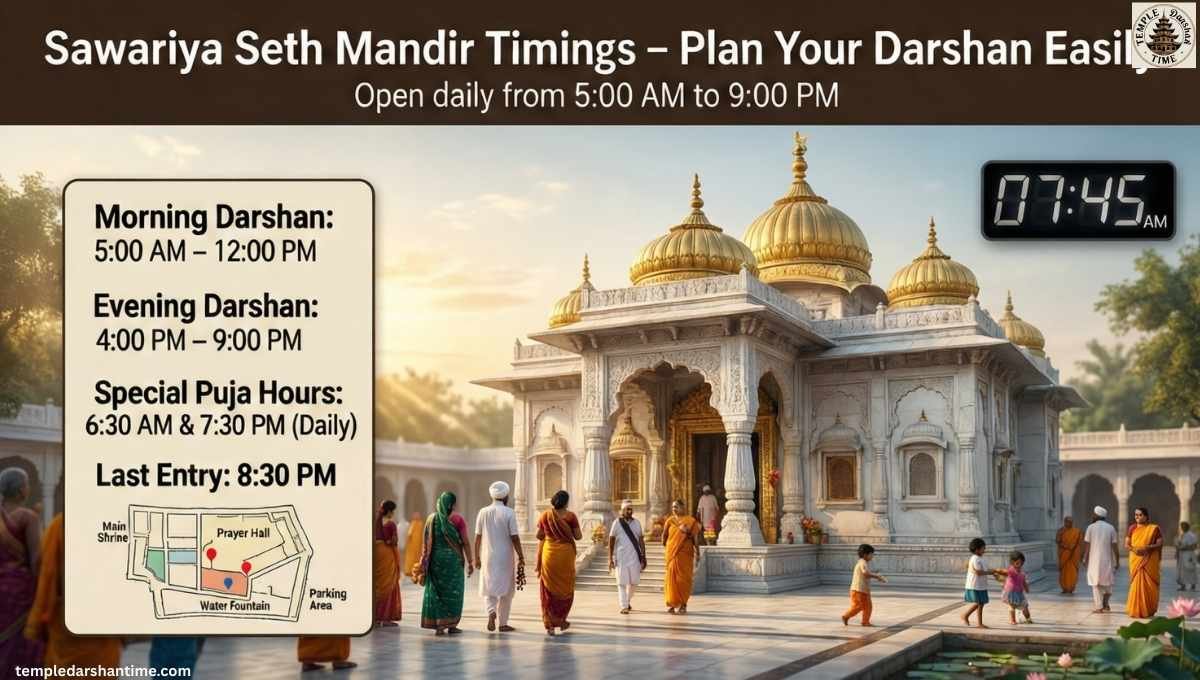
Planning a visit to Sawariya Seth Mandir Timings often starts with confusion, Is the temple open early? Will there be a long queue? Many devotees search late at night or early morning trying to confirm sawariya seth mandir timings, sanwariya ji darshan time, and even basics like chittorgarh to sanwariya seth distance before heading to the sawariya seth temple or sanwaliya seth temple. That uncertainty can feel stressful, especially when all you want is peaceful darshan without missing the right moment.
In this blog, you’ll find everything clearly explained about Sawariya Seth Mandir Timings, so you can plan your visit with confidence. From darshan hours and aarti schedules to the best time to avoid crowds, this guide is designed to save you time and effort. By the end, you’ll know exactly when to go, what to expect, and how to make your darshan smooth and fulfilling.
Sanwariya Seth Temple Darshan Timings (Daily Schedule)
The Sanwariya Seth Temple opens before sunrise and closes late evening to accommodate devotees from different regions.
The temple management maintains fixed timings throughout the year. However, festival days see extended hours and special arrangements. Morning darshan begins with Mangala Aarti while evening darshan concludes with Shayan Aarti.
Breaks during the day allow for bhog offerings and deity rest time. These intervals are essential parts of traditional temple worship. Devotees should plan their visit keeping these breaks in mind for smooth darshan.
Daily Darshan Timings at Sanwariya Seth Mandir
| Darshan Session | Timings |
| Morning Opening | 5:00 AM |
| Mangala Aarti & Darshan | 5:30 AM to 12:00 PM |
| Afternoon Break (Bhog) | 12:00 PM to 2:30 PM |
| Evening Darshan | 2:30 PM to 8:00 PM |
| Shayan Aarti | 8:00 PM |
| Temple Closing | 8:30 PM |
The sanwariya ji darshan time starts early to give devotees maximum opportunity for worship. Morning hours between 5:30 AM and 8:00 AM are less crowded and spiritually uplifting.
Afternoon sessions resume after bhog time around 2:30 PM. Evening darshan attracts more devotees who prefer visiting after work or travel. The temple atmosphere becomes especially divine during Shayan Aarti before closing.
On special occasions like Ekadashi and Janmashtami, timings may extend beyond 8:30 PM. Always check for festival-specific schedules if you’re planning a visit during major celebrations. Early arrival ensures you don’t miss any ritual or aarti.
Sanwariya Seth Temple Aarti and Puja Timings
Daily aartis at Sanwaliya Seth Temple follow traditional Krishna worship practices with devotion and grandeur.
| Aarti/Puja | Time |
| Mangala Aarti | 5:30 AM |
| Shringar Darshan | 6:00 AM onwards |
| Rajbhog Aarti | 10:00 AM to 11:15 AM |
| Evening Aarti | 7:30 PM |
| Shayan Aarti | 8:00 PM |
Mangala Aarti marks the beginning of the temple’s daily routine. Devotees believe attending this early morning ritual brings peace and prosperity throughout the day.
Rajbhog Aarti is considered the most auspicious time for prayers. Business owners and traders especially attend this aarti seeking Sanwariya Seth Ji’s blessings for success. The elaborate bhog offering includes 56 food items presented with devotion.
Evening and Shayan Aartis create a spiritually charged atmosphere with bhajans and chants. Many devotees prefer evening aartis as they can participate after completing their daily responsibilities. Each aarti lasts approximately 20 to 30 minutes depending on crowd size.
Online Darshan, VIP Darshan, and Booking Information at Sanwariya Seth Temple
Many devotees search for online or VIP darshan options before visiting the Sawariya Seth Temple.
Currently, no official online darshan booking system exists at Sanwariya Seth Mandir. All darshan happens on a first-come, first-served walk-in basis. The temple maintains equal treatment for all devotees regardless of status or donation amount.
Claims about VIP darshan booking through third-party websites are misleading and unofficial. No separate ticket, pass, or fast-track entry is available at this temple. Devotees should stay alert and avoid falling for such false promises online.
For prasad offerings, special puja, or large donations, you can contact the Shri Sanwariya Seth Mandir Trust directly. The official website (https://sanwariyaseth.org) provides authentic information about donations and trust activities. Trust officials handle bulk offerings and ensure transparency in all temple operations.
Walk-in darshan ensures everyone gets equal opportunity to worship. Queue management improves during festivals with volunteers guiding devotees. Patience and faith remain the only requirements for receiving divine blessings here.
Best Time to Visit Sanwariya Seth Temple, Rajasthan
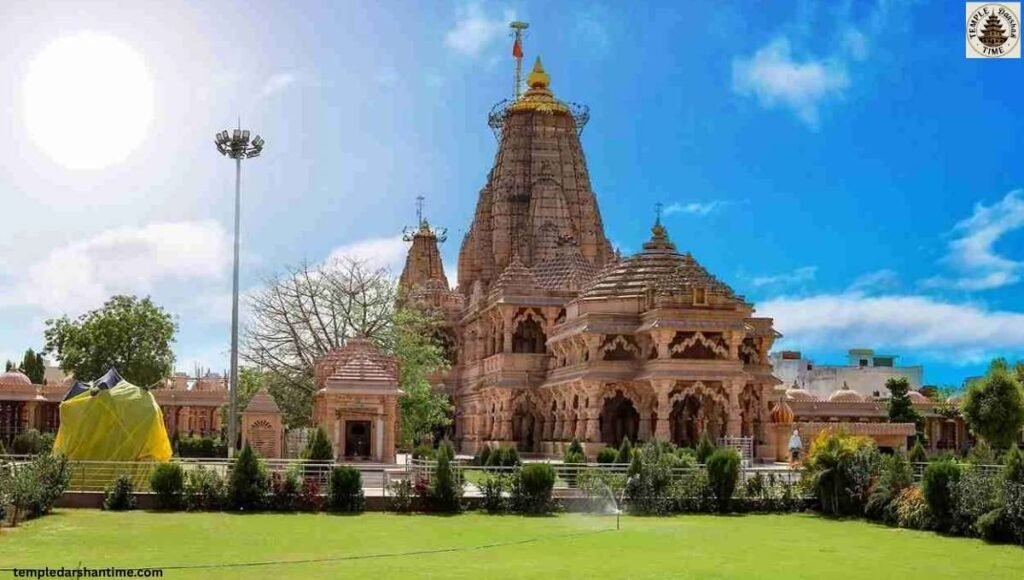
Choosing the right season and time enhances your spiritual experience at Sanwariya Seth Mandir Chittorgarh.
The temple welcomes devotees year-round but weather conditions vary significantly across seasons. Rajasthan’s extreme summer heat can make long queues challenging for elderly devotees and children.
Planning your visit during comfortable months ensures you can fully focus on devotion. Timing your darshan during less crowded hours adds peace to the experience. Festival visits offer vibrant energy but require extra patience due to heavy rush.
Best Months to Visit Sanwariya Seth Mandir
October to March offers the most pleasant weather for temple visits in Rajasthan.
Winter months bring cool mornings and comfortable daytime temperatures. This period is ideal for families traveling with senior citizens or young children. You can stand in queues without facing harsh sunlight or dehydration risks.
November through February sees maximum footfall due to favorable climate. Major festivals like Kartik Purnima and Diwali also fall during this period. Early booking for accommodation becomes essential if you’re visiting in winter.
Summer months (April to June) can be extremely hot with temperatures crossing 40°C. Monsoon season (July to September) brings occasional rains but humidity remains high. If you must visit during these months, carry water bottles and sunscreen for protection.
Best Time for Darshan (Less Crowd)
Early morning hours between 5:30 AM and 7:30 AM offer the calmest darshan experience.
The temple atmosphere during sunrise feels pure and spiritually charged. Most devotees arrive later in the morning, leaving early hours relatively peaceful. You can spend quality time in prayer without feeling rushed by crowds behind you.
Afternoon sessions from 2:30 PM to 4:00 PM also see lighter crowds. Devotees who traveled overnight often rest during this time. Quick darshan becomes possible for those with time constraints or connecting travel plans.
Weekend mornings attract more local devotees from nearby cities. Weekday visits generally remain less crowded except during festival seasons. Planning around these patterns helps you enjoy a serene spiritual experience.
Visiting During Festivals
Major Hindu festivals transform Sanwariya Seth Temple into a hub of divine celebration and devotion.
Janmashtami, Ekadashi, Kartik Purnima, and Jaljhulani Ekadashi draw lakhs of devotees annually. The temple extends darshan hours and arranges special aartis during these occasions. Cultural programs, bhajan sessions, and processions add to the festive atmosphere.
Expect long queues and waiting times during peak festival days. Temple authorities implement crowd management systems for safety and smooth darshan. Arriving before sunrise gives you better positioning in queues.
Festival darshan offers unique spiritual energy despite the crowds. Many devotees believe prayers during these auspicious days carry extra divine power. Patience and devotion help you navigate the rush while experiencing the celebration’s grandeur.
Sanwariya Seth Temple open today time
If you’re searching for “Sanwariya Seth Temple open today time,” the standard opening is 5:00 AM daily.
The temple follows consistent timings throughout the week including weekends. Only on extremely rare occasions does the schedule change due to special circumstances. Morning darshan begins promptly at 5:30 AM with Mangala Aarti.
For today’s specific timings, calling the temple trust office provides real-time confirmation. Local accommodation providers near the temple also keep updated information. Most devotees rely on the standard schedule which rarely varies.
Sanwariya Seth Temple Closing time
The Sanwariya Seth Temple closing time is typically 8:30 PM after Shayan Aarti.
Evening darshan continues until 8:00 PM when the final aarti begins. The temple gates close approximately 30 minutes after Shayan Aarti concludes. Devotees inside the premises during aarti can complete their worship before leaving.
On festival days, closing time may extend to 10:00 PM or even midnight. Jaljhulani Ekadashi and Janmashtami see the latest closing hours. Always confirm festival-specific timings if you’re planning an evening visit during celebrations.
Sanwariya Seth darshan time tomorrow
For “sanwariya seth darshan time tomorrow,” standard timings remain 5:30 AM to 8:00 PM with an afternoon break.
The temple maintains consistent daily schedules unless a major festival falls tomorrow. Checking the Hindu calendar helps identify if any special occasion might alter timings. Temple trust websites and local news sources announce schedule changes in advance.
Tomorrow’s weather conditions might affect your comfort but won’t change darshan hours. Plan to arrive early if you prefer peaceful worship. Carrying this guide’s timing table ensures you’re prepared regardless of the day.
History and Legends of Sanwariya Seth Temple
The Sanwariya Seth Temple history dates back to 1840 when divine intervention led to its establishment.
A humble milkman named Bholaram Gujar received a mystical dream vision. Lord Krishna appeared and revealed the location of buried sacred idols. Following the divine guidance, excavation uncovered three Krishna idols at different sites.
One idol was established at Mandaphia village, which became the present Sanwariya Seth Mandir. The other two idols were installed at Bhadsora and Chapar villages. All three temples gained recognition but Mandaphia emerged as the most prominent pilgrimage site.
Devotees believe these idols possess powerful divine energy that fulfills sincere prayers. The temple’s fame spread through word-of-mouth testimonials of answered wishes. Over decades, it evolved from a small shrine to one of Rajasthan’s wealthiest temples.
Key Historical Milestones
1840: Bholaram Gujar’s divine dream led to idol discovery and initial shrine construction.
1930s-1940s: The temple underwent significant expansion as devotee numbers grew rapidly. Local communities contributed funds and labor for construction.
1992: Formation of Shri Sanwariya Seth Mandir Trust brought organized management and transparency. The trust handles donations, maintenance, and festival arrangements professionally.
2000s onwards: Modern facilities including better queuing systems, prasad counters, and accommodation improved devotee experience. The temple now ranks among India’s most visited Krishna shrines with lakhs of annual visitors.
The Sawariya Seth Temple continues to grow while maintaining its traditional worship practices. Trust-managed operations ensure proper utilization of donations for devotee welfare and temple upkeep.
Religious Significance of Sanwariya Seth Mandir
Sanwariya Seth Mandir holds profound spiritual importance especially among business communities and traders.
Devotees worship Lord Krishna here in his dark-complexioned form known affectionately as Sanwariya Seth Ji. The name “Sanwariya” means dark or dusky, referring to Krishna’s traditional appearance. “Seth” signifies a wealthy merchant or businessman.
The temple earned the title “Businessman’s God” due to countless testimonials of financial recovery and prosperity. Traders believe sincere prayers here lead to business success and wealth stability. Many devotees return after wish fulfillment to offer gratitude donations.
Faith in wish fulfillment forms the core of this temple’s religious significance. Devotees from all economic backgrounds visit seeking solutions to problems. Whether health issues, marriage obstacles, or career challenges, people trust Sanwariya Seth Ji responds to genuine faith.
Stories of miraculous interventions pass between devotees strengthening communal belief. The temple doesn’t discriminate based on donation amounts or social status. Pure devotion and honest prayer remain the only prerequisites for receiving blessings.
Architecture of Sanwariya Seth Temple
The Sanwariya Seth Temple architecture showcases traditional Rajasthani temple design with intricate craftsmanship.
The temple structure combines spiritual symbolism with aesthetic beauty. Every architectural element serves both devotional purpose and visual appeal. Skilled artisans worked for years creating the detailed carvings and decorative features.
The overall layout accommodates large crowds during festivals while maintaining sacred atmosphere. Spacious courtyards allow for organized queuing and ritual performances. The inner sanctum remains intimate despite the temple’s grand exterior.
Key Architectural Highlights
The towering Shikhar dominates the skyline and guides devotees from distant approaches. This dome-like structure represents the cosmic mountain in Hindu symbolism.
Intricately carved pillars throughout the temple display traditional Rajasthani art motifs. Floral patterns, divine figures, and geometric designs adorn these supporting columns.
Multiple courtyards provide space for different activities including aarti ceremonies and festival gatherings. Marble flooring ensures cleanliness and coolness even during summer heat.
The Garbhagriha (sanctum sanctorum) houses the main deity with beautifully decorated interiors. Daily flower arrangements and ornaments enhance the idol’s divine appearance. Devotees experience profound peace upon entering this sacred space.
Outer walls feature religious artwork depicting Krishna’s life stories and divine pastimes. These visual narratives help devotees connect deeper with the deity’s mythology.
Major Festivals Celebrated at Sanwariya Seth Temple
Sanwariya Seth Temple becomes extraordinarily vibrant during major Hindu festivals throughout the year.
Festival celebrations here blend devotion, tradition, and cultural richness. Temple authorities organize special aartis, bhajan sessions, and prasad distributions. The entire Mandaphia village participates in creating festive atmosphere.
Devotees plan visits months in advance to attend these auspicious occasions. The spiritual energy multiplies when thousands gather for collective worship. Each festival carries unique rituals and significance in Krishna worship tradition.
Important Festivals at Sanwariya Seth Mandir
Janmashtami celebrates Lord Krishna’s birth with midnight aarti and elaborate decorations. The temple remains open for 24 hours with continuous darshan and bhajan programs. Special jhankis (tableaus) depict scenes from Krishna’s childhood.
Kartik Purnima attracts the largest crowds with devotees believing this day brings maximum blessings. Holy baths, charity distributions, and extended darshan hours mark this celebration. Many devotees walk miles as a devotional offering.
Jaljhulani Ekadashi features a three-day fair with colorful processions and cultural performances. The deity is ceremonially bathed and adorned with special ornaments. Local artisans showcase traditional Rajasthani crafts during this festival.
Annakoot follows Diwali with massive food offerings representing gratitude for harvest and prosperity. 56 different dishes (Chhappan Bhog) are prepared and offered. Devotees receive prasad blessed by Sanwariya Seth Ji.
Holi brings joyous celebrations reflecting Krishna’s playful nature with color and music. Bhajan singing continues throughout the day with devotees dancing in devotional ecstasy. The festival embodies Krishna’s message of love transcending all boundaries.
Ekadashi occurring twice monthly sees special fasting rituals and increased devotee attendance. These days hold particular importance for wishes related to spiritual growth and prosperity.
How to Reach Sanwariya Seth Temple, Rajasthan
Sanwariya Seth Temple enjoys excellent connectivity through air, rail, and road networks across Rajasthan.
The temple’s location in Mandaphia village offers accessibility from major cities like Udaipur, Chittorgarh, and Jaipur. Modern transportation options make pilgrimage comfortable for devotees of all age groups.
Planning your route in advance helps optimize travel time and costs. Multiple transportation modes give flexibility based on your starting location and budget. Below are detailed options for reaching this sacred destination.
By Air
Maharana Pratap Airport in Udaipur serves as the nearest airport approximately 100 kilometers from the temple.
Daily flights connect Udaipur with Delhi, Mumbai, Jaipur, and other major Indian cities. From the airport, pre-paid taxis and private cabs are readily available. The journey to Mandaphia takes about 2 to 2.5 hours by road.
Cab fares range from ₹2,000 to ₹3,000 depending on vehicle type and negotiation. Sharing taxis with other devotees reduces individual costs. Some hotels in Udaipur also arrange temple transfers for guests.
By Train
Chittorgarh Junction is the closest railway station located 33 to 40 kilometers from Sanwariya Seth Mandir.
Major trains from Delhi, Mumbai, Jaipur, Ahmedabad, and Indore stop at Chittorgarh regularly. The station offers good connectivity making it convenient for devotees from different regions. From the railway station, local buses, shared taxis, and private cabs reach Mandaphia.
Local bus services run frequently and cost around ₹30 to ₹50 per person. Private taxis charge ₹600 to ₹1,000 for the complete journey. The chittorgarh to sanwariya seth distance can be covered in 45 minutes to 1 hour.
By Road
Sanwariya Seth Temple is well-connected via state highways and rural roads from neighboring cities.
From Chittorgarh: Approximately 40 kilometers via NH-27 and local roads taking about 50 minutes.
From Udaipur: Around 80 to 110 kilometers depending on route via NH-27 taking 2 to 2.5 hours.
From Jaipur: Roughly 280 kilometers via NH-48 and NH-27 taking about 5 to 6 hours.
Rajasthan State Road Transport Corporation (RSRTC) operates regular bus services to Mandaphia. Private buses and tourist coaches also serve this route during festival seasons. Driving your own vehicle gives flexibility for exploring nearby attractions.
The sawariya seth mandir distance from major cities makes it accessible for weekend pilgrimages. Road conditions remain good throughout the year supporting comfortable travel.
Accommodation Near Sanwariya Seth Mandir
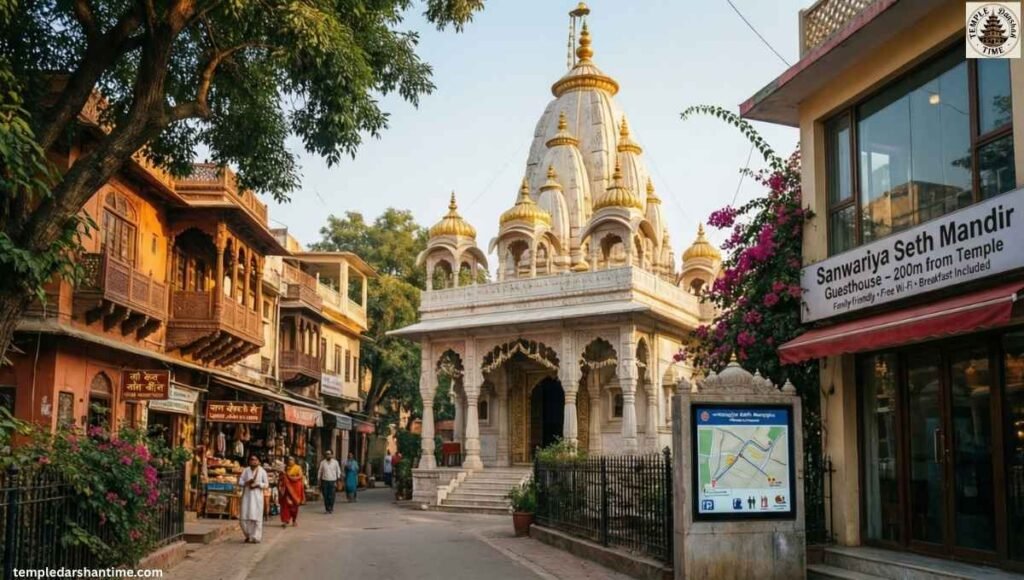
Devotees visiting Sanwariya Seth Temple find various accommodation options suiting different budgets and comfort preferences.
Staying close to the temple allows early morning darshan without travel hassles. Options range from basic dharamshalas to comfortable hotels in nearby cities. Advanced booking becomes crucial during festival seasons and winter months.
Stay Options for Devotees
Dharamshalas near the temple offer basic accommodation at minimal costs or free of charge. These simple guesthouses provide clean rooms with essential facilities. They suit devotees seeking economical stays and proximity to the temple.
Budget hotels in Mandaphia village have emerged serving pilgrims with better amenities. Rooms cost between ₹500 to ₹1,500 per night with attached bathrooms and fans. Some offer air-conditioned rooms during summer months at slightly higher rates.
Mid-range hotels in Chittorgarh provide comfortable stays with modern facilities located 40 km away. These hotels charge ₹1,500 to ₹4,000 per night offering AC rooms, room service, and parking. Chittorgarh serves as a practical base for devotees exploring the fort alongside temple visit.
Premium hotels in Udaipur attract devotees preferring luxury accommodation during their pilgrimage. Udaipur’s lakeside resorts and heritage hotels offer world-class services. Many devotees combine temple darshan with Udaipur sightseeing making it a complete spiritual and leisure trip.
Temple trust also manages accommodation facilities accepting donations for maintenance. Contact the trust office for availability and booking procedures during your travel planning.
Places to Visit Near Sanwariya Seth Temple
Extending your pilgrimage to explore nearby attractions enriches your Rajasthan experience beyond spiritual fulfillment.
The Chittorgarh region offers historical monuments, natural beauty, and cultural sites. These destinations complement your temple visit creating memorable travel experiences. Most attractions lie within 50 to 100 kilometers allowing same-day or next-day visits.
Nearby Attractions
Chittorgarh Fort stands as a UNESCO World Heritage Site just 40 km from the temple. This massive fort showcases Rajput valor with palaces, temples, and victory towers. The fort covers 700 acres making it one of India’s largest hill forts.
Rana Kumbha Palace inside Chittorgarh Fort tells stories of Rajput royalty and sacrifice. The palace ruins evoke historical grandeur despite centuries of weathering. Sound and light shows narrate fort history in captivating presentations.
Vijay Stambh (Victory Tower) rises 37 meters celebrating Maharana Kumbha’s military victories. The nine-story tower features intricate carvings depicting Hindu deities and historical events. Climbing to the top offers panoramic fort views.
Menal Waterfall located approximately 90 km away provides natural beauty and peaceful surroundings. The seasonal waterfall flows dramatically during monsoon creating picturesque landscapes. Ancient temples near the waterfall add spiritual dimension to nature visits.
Bassi Wildlife Sanctuary appeals to nature enthusiasts with leopards, wild boars, and diverse bird species. The sanctuary spans 150 square kilometers of forested hills and grasslands. Wildlife safaris and nature walks offer refreshing breaks from urban environments.
Kalika Mata Temple within Chittorgarh Fort attracts devotees seeking blessings from the goddess. The temple’s architecture and spiritual atmosphere complement your Sanwariya Seth visit. Many pilgrims cover both temples in single trip.
Sanwariya Seth Chittorgarh
Sanwariya Seth Temple technically falls under Chittorgarh district administration though located in Mandaphia village.
The temple’s association with Chittorgarh enhances its historical and cultural significance. Chittorgarh’s legacy of valor and devotion aligns with the temple’s spiritual importance. Many devotees refer to it as “Sanwariya Seth Chittorgarh” recognizing this administrative connection.
Chittorgarh city serves as the main commercial and transport hub for temple visitors. Banking facilities, shopping markets, and medical services are available here. The city’s tourist infrastructure supports comfortable pilgrimage planning.
Chittorgarh to Sanwariya Seth Temple distance
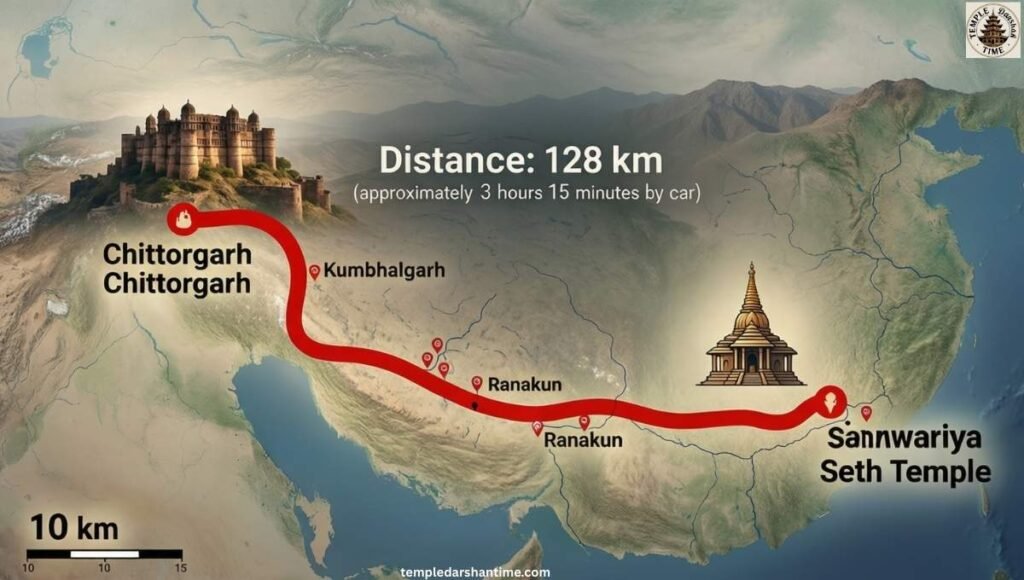
The chittorgarh to sanwariya seth distance measures approximately 33 to 40 kilometers depending on your exact starting point.
From Chittorgarh Railway Station, the distance is about 35 kilometers via NH-27 and local roads. From Chittorgarh Fort area, it extends to nearly 40 kilometers. Travel time ranges from 45 minutes to 1 hour under normal traffic conditions.
Local transportation options include RSRTC buses, shared taxis, and private cabs. Bus fares cost around ₹30 to ₹50 while private taxis charge ₹600 to ₹1,000. Many devotees hire taxis for round trips including waiting time at the temple.
Sawariya Seth Mandir distance
The sawariya seth mandir distance from major cities helps devotees plan multi-day trips effectively.
From Udaipur: 80 to 110 kilometers (2 to 2.5 hours)
From Jaipur: 280 kilometers (5 to 6 hours)
From Ajmer: 200 kilometers (4 hours)
From Kota: 180 kilometers (3.5 hours)
From Ahmedabad: 320 kilometers (6 to 7 hours)
These distances make the temple accessible for weekend pilgrimages from Rajasthan and neighboring states. Good road connectivity ensures comfortable journeys throughout the year. GPS navigation apps provide accurate real-time distance and route information.
Sawariya Seth Mandir Timings in winter
Sawariya Seth Mandir timings in winter remain consistent with regular daily schedules despite seasonal changes.
The temple opens at 5:00 AM and closes around 8:30 PM even during December and January. Winter months offer the most comfortable darshan experience with cool mornings and pleasant daytime temperatures. Early morning chill requires light woolens but doesn’t affect temple operations.
Winter season (October to March) sees maximum devotee footfall due to favorable weather. Major festivals like Kartik Purnima and Diwali fall during this period. Temple authorities prepare for heavy crowds with enhanced arrangements.
Mangala Aarti at 5:30 AM feels especially divine in winter’s quiet dawn. Devotees can spend more time in temple premises without heat exhaustion concerns. Winter visits require no special preparations beyond normal warm clothing.
Sawariya Seth Mandir Timings Aarti
Sawariya Seth Mandir timings aarti schedule includes five major aartis throughout the day.
Mangala Aarti (5:30 AM): Marks the deity’s awakening with gentle hymns and offerings.
Rajbhog Aarti (10:00 AM to 11:15 AM): The grand mid-morning aarti featuring elaborate bhog presentation.
Evening Aarti (7:30 PM): Welcomes the evening with lamp offerings and devotional songs.
Shayan Aarti (8:00 PM): Prepares the deity for night’s rest with calming rituals.
Special Bhajan Sessions (9:15 PM onwards): On festival days, extended bhajan programs continue late night.
Each aarti lasts 20 to 40 minutes depending on crowd participation and special occasions. Devotees can attend any or all aartis based on their schedule. Rajbhog and Shayan Aartis attract maximum attendance for their spiritual significance.
Arriving 15 minutes before aarti time ensures good viewing position. Photography restrictions apply during certain rituals respecting sanctity. The collective devotional energy during aartis creates unforgettable spiritual experiences.
Frequently Asked Questions
What is the timing of darshan at Sanwariya Ji Temple?
According to Sawariya Seth Mandir Timings, darshan starts early morning and continues till evening daily.
What is the best time to visit Chittorgarh?
Following Sawariya Seth Mandir Timings, October to March is best for visiting Chittorgarh weatherwise comfortably.
What is the dress code for Sanwariya Seth?
There is no strict dress code; follow Sawariya Seth Mandir Timings and wear modest traditional clothes.
What is Sawariya Seth Mandir Rajasthan famous for?
Devotees follow Sawariya Seth Mandir Timings because the temple is famous for business blessings nationwide.
Which is the most powerful temple of Hanuman?
Many compare power, but following Sawariya Seth Mandir Timings matters when visiting famous Hanuman temples.
What is the best time to visit Mount Abu?
Plan Mount Abu trips alongside Sawariya Seth Mandir Timings, with November to February ideal months.
Conclusion
Understanding Sawariya Seth Mandir Timings makes your temple visit calm and stress free. When you know the correct sawariya seth mandir timings, you avoid long waits and confusion. Many devotees check sanwariya ji darshan time before starting their journey. Knowing chittorgarh to sanwariya seth distance also helps in planning travel easily. Whether you visit the sawariya seth temple for faith, peace, or blessings, right timing always matters. The same applies when people refer to the sanwaliya seth temple for darshan.
Following Sawariya Seth Mandir Timings helps devotees enjoy peaceful darshan and divine connection. Correct Sawariya Seth Mandir Timings allow better planning for family visits and elders. Devotees feel relaxed when sanwariya ji darshan time is clear. Accurate sawariya seth mandir timings help save time and energy. With proper knowledge of Sawariya Seth Mandir Timings, your visit becomes smooth, meaningful, and spiritually satisfying.

Michael Anderson is a spiritual content writer with 8+ years of experience documenting temple darshan timings across India. He has completed 100+ projects with 95% client satisfaction, helping thousands of devotees plan meaningful spiritual journeys.